Timber or masonry villa: how to compare two designs
Compare timber and masonry through complete designs: structure, insulation, services, programme and maintenance. Material alone does not determine the outcome.
Compare the same building
Use equivalent layouts, areas, finishes and objectives. Comparing a timber shell with a finished masonry home produces an unusable result. Foundations, roof, windows and services must appear in both proposals or be explicitly separated.
The organisational role of assembly
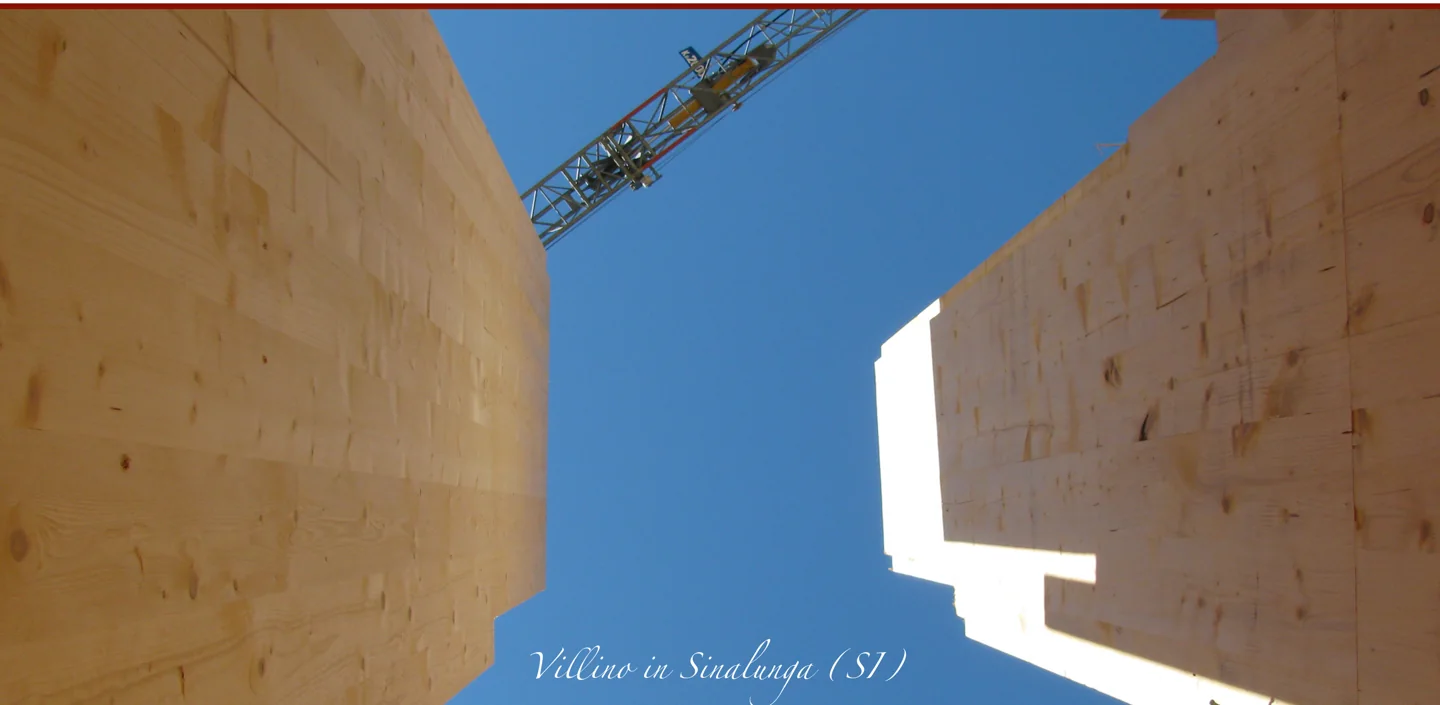
Factory preparation allows assembly to be organised around defined drawings and connections. Openings and service routes require early decisions. The complete programme also includes permissions, concrete work, deliveries, services and finishes: assembly time is not total construction time.
Design for comfort and structural performance
Thermal insulation, noise control and airtightness depend on assemblies, junctions and installation. Structural performance also requires calculations for the whole building and its connections at the particular site. Compare design documents and required performance rather than absolute material rankings.
Maintenance and overall cost
Exposed finishes, roofing, windows and services require care in both approaches. Ask about instructions, access and component replacement. Compare initial cost and planned maintenance on the same basis; future property value requires a separate market assessment.
Frequently asked questions
Does timber automatically make a home more efficient?
No. Performance depends on the complete building, including services, envelope and installation details.
Want to build your timber villa with MANINI?
Verify your project →